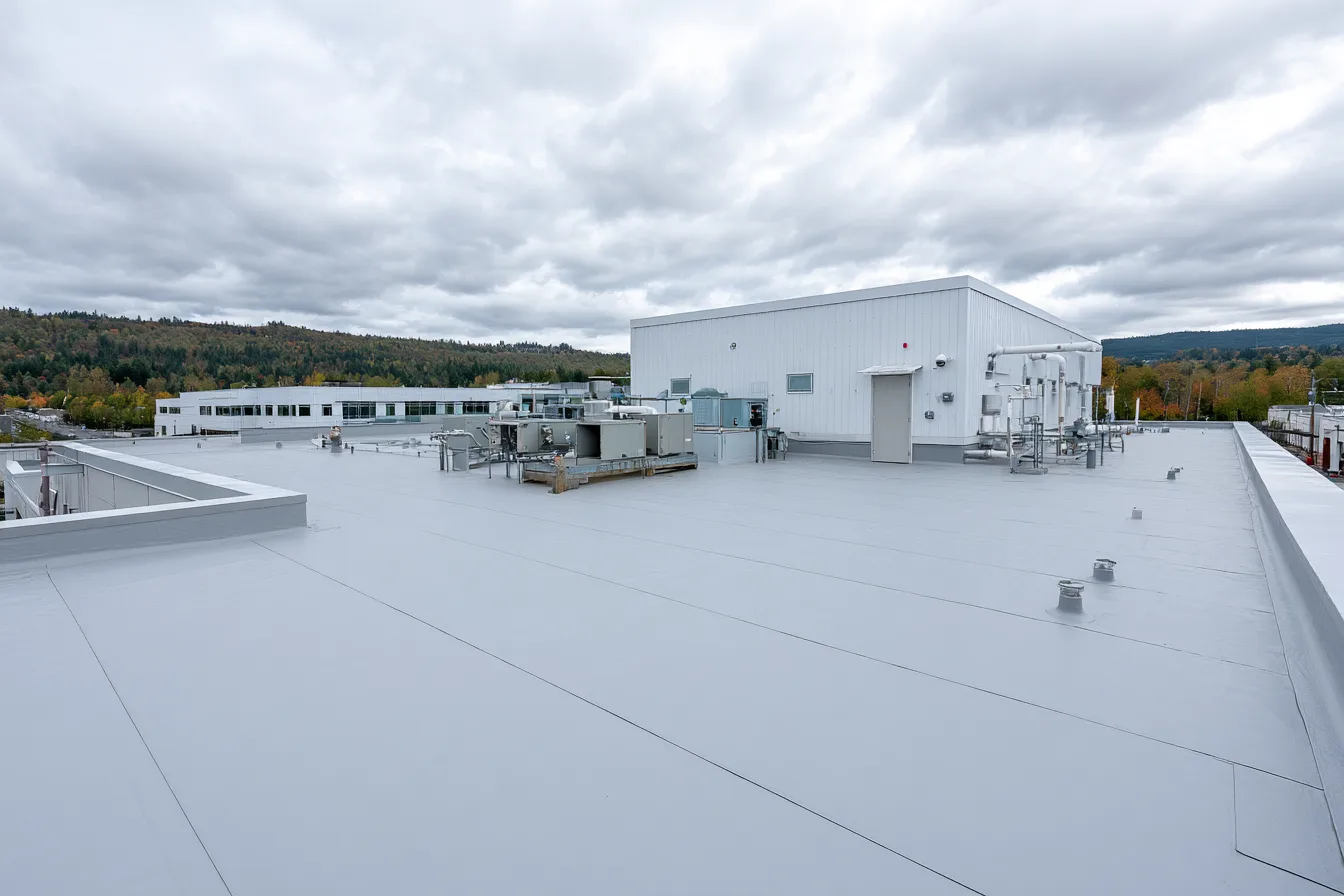
Low-slope repair
Flat roof repair
Trace the water path through seams, drains, curbs and the layers below.
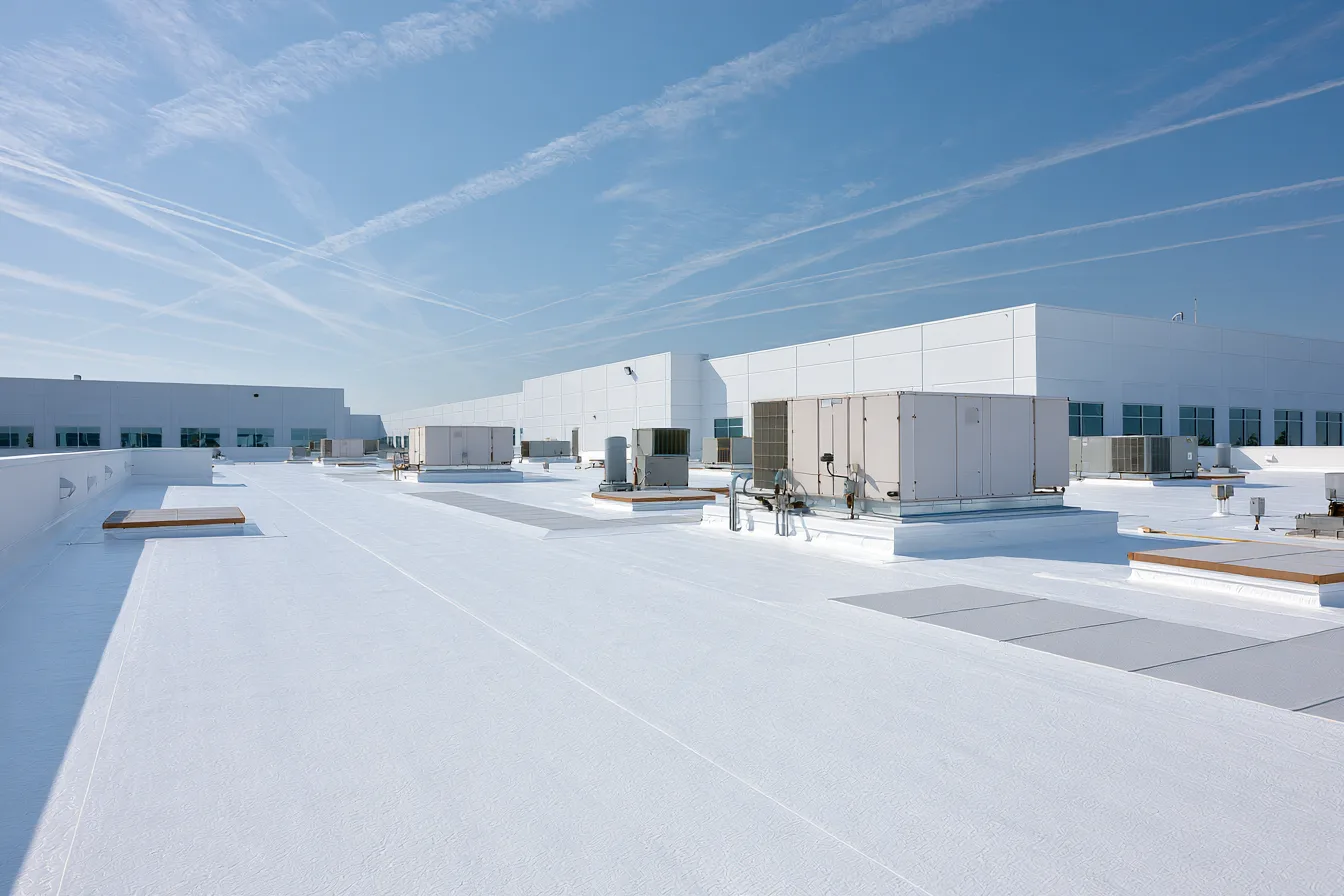
Roof repair, TPO roofing and coating decisions for White Settlement commercial properties. Start with the roof condition and the needs of the occupied building.
A leak over a tenant space may begin at a curb, seam or drain some distance away. Water can spread through insulation and follow the deck before it becomes visible inside. The interior location is a clue, not a repair specification.
The assessment needs to identify the existing system, the roof sections involved and whether moisture is confined or spread beneath the membrane. That separates a local repair from restoration or replacement. A coating is not a shortcut around wet insulation or deteriorated decking.
Choose the system or problem you need to resolve. These pages explain the limits as well as the uses of each approach.
Trace the water path through seams, drains, curbs and the layers below.
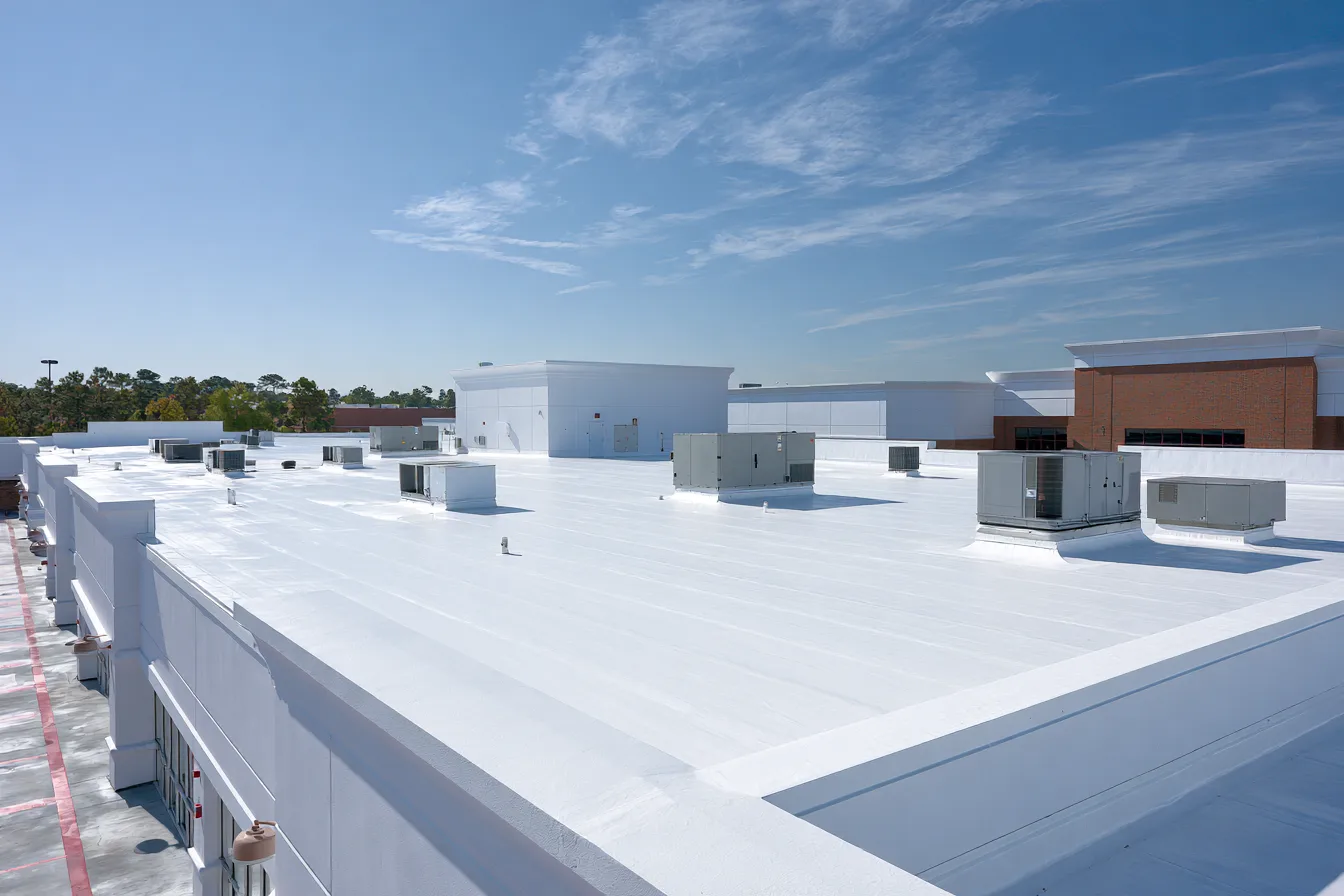
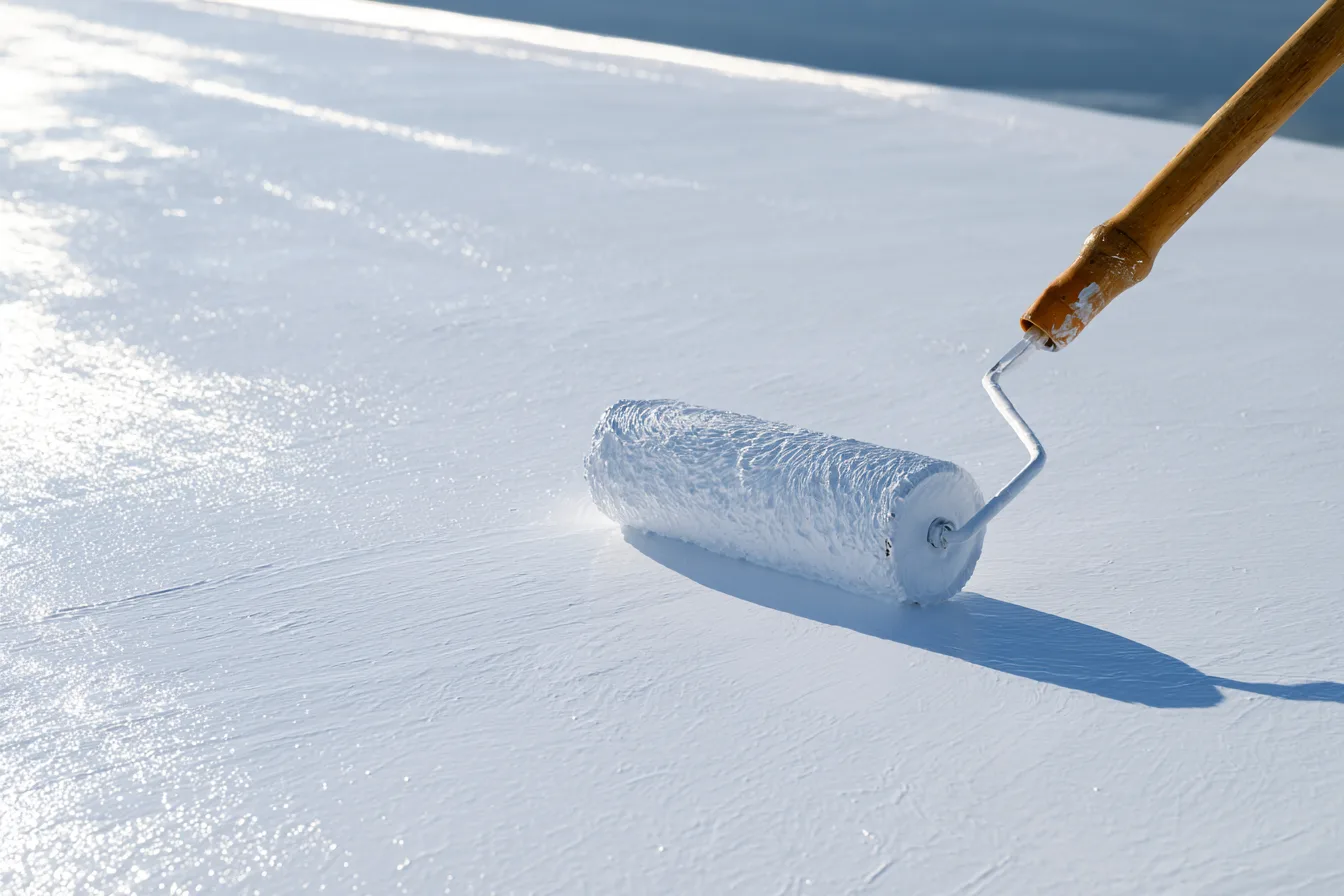
Check whether the existing roof is sound, dry and compatible with restoration.
| Approach | Where it fits and where it stops |
|---|---|
| Repair a defined defect | A puncture, seam or flashing problem can suit local work when the surrounding membrane is workable and the affected layers can be addressed. Repeated leaks or moisture beyond the patch call for a wider investigation. |
| Restore a suitable roof | A coating retains the existing assembly. It needs compatible, stable material and appropriate preparation; it cannot strengthen damaged decking or remove wet insulation. The cost of necessary repairs is part of the restoration decision. |
| Replace or recover the assembly | A new membrane over an existing roof requires a suitable dry, sound assembly and applicable system requirements. Removal allows deteriorated layers to be addressed and drainage or insulation changes to be included. The roof condition determines whether retaining layers is reasonable. |
A roof plan should identify the work around the membrane as clearly as the material itself. Bring access restrictions, occupied spaces and upcoming equipment work into the first conversation.
Curbs, pipe supports and access around HVAC units interrupt the roof. Roofing work and mechanical work need clear boundaries so a repaired detail is not disturbed by the next equipment visit.
The plan needs to account for entrances, deliveries, tenant operations, odors and debris. Phasing is a project decision, not a promise that every operation will be unaffected.
Drains and scuppers need to remain functional. Planned equipment changes or additions can change whether a short repair or a larger roofing project makes sense.
Two buildings with the same roof area can require very different projects. The number of wet sections, existing layers, deck condition, perimeter details and rooftop equipment affects the work. A membrane-only figure leaves out much of the assembly that has to function underneath and around it.
A useful commercial proposal identifies retained and removed layers, insulation and drainage changes, membrane and attachment, flashing work, and the handling of concealed damage. Access equipment, debris removal and phasing around occupied spaces also belong in the total. Without that scope, a price comparison can mistake omitted work for savings.
Warranty choices belong with the exact assembly and written eligibility terms. A manufacturer’s longest advertised term does not establish coverage on a particular building or replace the contractor’s workmanship terms. Keep product selection, project scope and coverage connected when considering the options.
It can be a candidate when the roof is sound, dry enough for the system and compatible with the restoration product. The roof coatings page explains why wet insulation and drainage problems must be resolved first.
Tenant access and operations belong in the project scope. The actual system, work method and building use determine what can be phased and which areas need protection or temporary restrictions.
Give the property location, roof type if known, the affected area and whether water is actively entering. It is helpful to mention rooftop equipment or access arrangements you already know about.
Tell us the building type and the roofing issue. Begin with a free inspection and a discussion of the appropriate scope.