Architectural asphalt shingles
Layered shingles offer a dimensional appearance with familiar installation details. Product lines differ in impact and wind testing; explore shingle types before treating every upgrade as the same benefit.
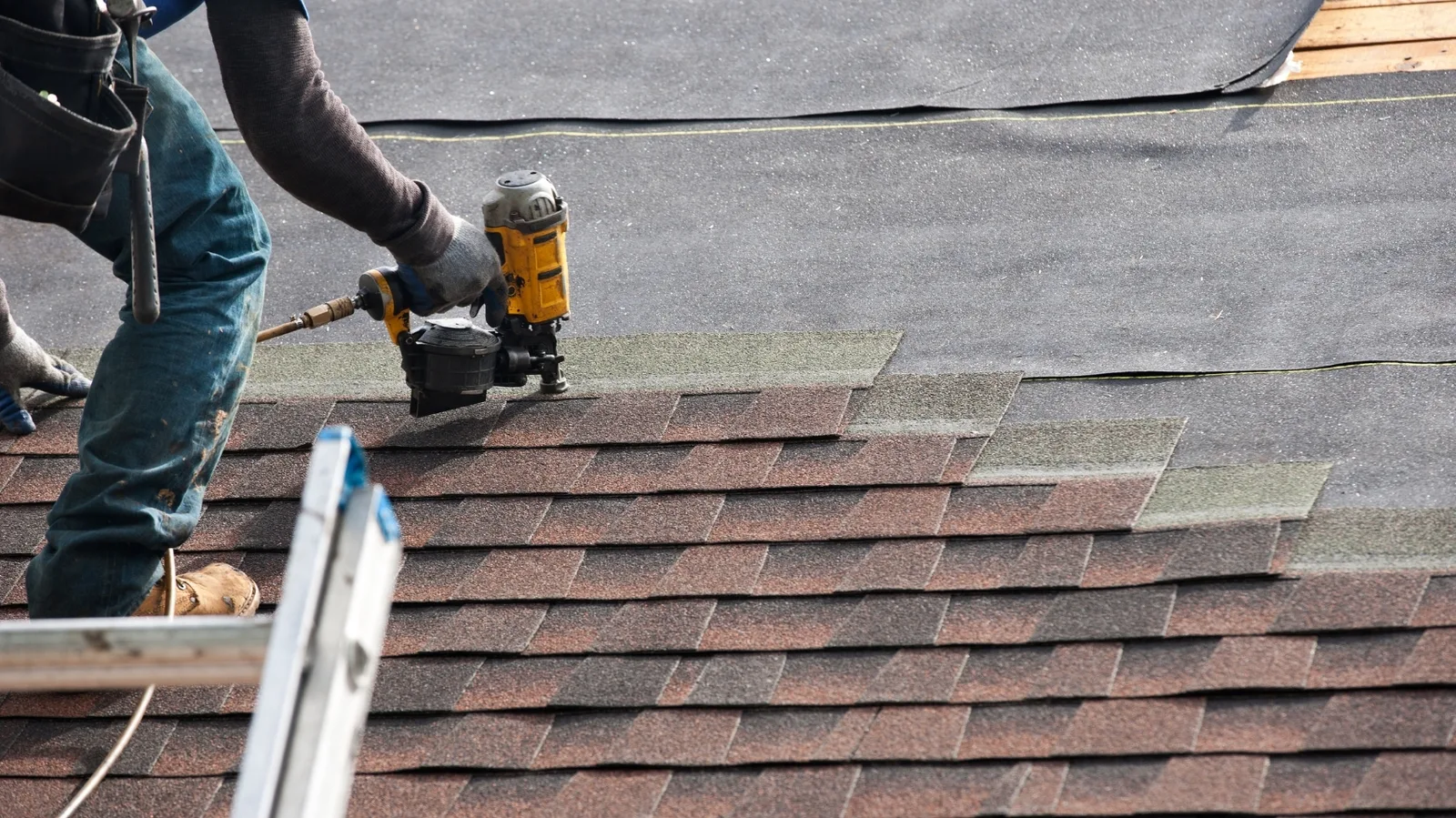
Plan a roof replacement in White Settlement around the condition of your roof, the material you want and the work beneath it. Begin with a free inspection.
A roof replacement is a chance to address the parts you cannot see from the curb. Removing the old covering exposes the deck and makes damaged wood, tired flashing and roof-edge details part of the same conversation.
Replacement becomes a sensible option when the roof can no longer accept dependable repairs, damage is widespread, or the total repair scope approaches the value of starting over. A single leak does not establish any of those conditions.
If the work still looks localized, the repair assessment belongs beside the replacement option.
| Part of the scope | What to resolve |
|---|---|
| Removal and deck condition | The scope should identify the covering being removed and how deteriorated decking will be handled if it appears. Hidden wood damage is different from the new shingle allowance. |
| Water control at the details | Underlayment, roof-edge metal, valleys and flashing around penetrations all need to work with the selected covering. New shingles do not correct an old flashing leak by themselves. |
| Ventilation and roof openings | Intake and exhaust need a coordinated path. A roof project should account for existing vents, skylights and equipment without assuming that adding more vents improves every attic. |
| Property use and cleanup | Access, material placement, landscaping protection and debris removal affect daily use of the property. These project arrangements belong in the work plan. |
Layered shingles offer a dimensional appearance with familiar installation details. Product lines differ in impact and wind testing; explore shingle types before treating every upgrade as the same benefit.
Metal changes the fastening and movement details as well as the appearance. Standing seam and exposed-fastener panels have different assemblies and upkeep considerations. Read the metal roofing options.
National context. Your roof needs its own scope.
GAF's current cost resource cites a $17,631 national roof-replacement average from the 2025 U.S. Roof Report. That gives the scale of the decision, not a price for your home or a White Settlement bid average. Your roof needs its own measurements, material choice and written scope.
Your quote needs the measured roof area, chosen covering, removal, flashing and underlying repairs. Shape, access and damaged decking can change the total even when two houses have similar living area.
GAF roof cost resource, checked September 18, 2026
Understand the roof budgetThe roof is a work area above an occupied home. Before removal begins, the agreement should connect the roof scope to access, protection and the way changes will be handled.
The roof project planner helps you note gates, parking, pets and connected work before that conversation. You do not need to design the project yourself.
Settle where materials and debris handling will go, which entry stays usable and what needs to move out of the work area. Clarify how additional decking repairs will be described, priced and authorized if removal reveals damaged wood.
Removal exposes the supporting surface and roof junctions. The work has to address unsuitable wood and reconnect the water-control layers before the new covering is completed. Weather and unexpected repair scope can change the sequence; protection of opened areas belongs in the plan.
Review the agreed roof details and site cleanup with the contractor. Keep the scope, invoice, selected product information and any applicable warranty documents together. Remaining interior repairs or connected trades should have a clear next step if they were outside the roofing work.
A sound deck, workable flashing and correctly connected roof edges are part of making the new assembly function. A different shingle profile, a premium finish or a chosen product rating is a separate selection. Keeping those choices distinct makes it easier to understand where the budget is going.
The useful comparison is the total installed project with the same removal, deck assumptions, flashing and ventilation scope. A lower material allowance can be outweighed by omitted work, while an upgrade can be worthwhile for the appearance or tested performance you actually want. Neither the highest price nor the longest advertised product warranty explains the whole installation.
Product coverage and the contractor’s workmanship terms answer different problems. The warranty guide explains what those documents cover before a warranty label becomes the deciding factor.
Roof work creates noise, falling debris and changes to outdoor access. Staying home may be practical, but children, pets, entry routes and work areas need to be considered in the project plan. Timing and access are agreed for the actual job.
Sound decking can remain. Damaged sections may need replacement, and the proposal should distinguish that work from the new covering. An inspection cannot reveal every concealed condition before removal.
Product and workmanship coverage are separate. The actual product, contractor and written terms determine what applies. Our warranty and insurance guide explains the distinction without promising a term.
It can avoid removal work in some projects, but it also leaves the old layers and obscures the deck. Existing layers, condition, product instructions and local requirements affect whether it is suitable. The choice should follow the roof assessment.
Make the replacement decision with a clearer view of the roof and its scope. Request a free inspection.