A localized opening
A puncture or seam defect over sound, dry surrounding construction can suit a focused repair with compatible materials.
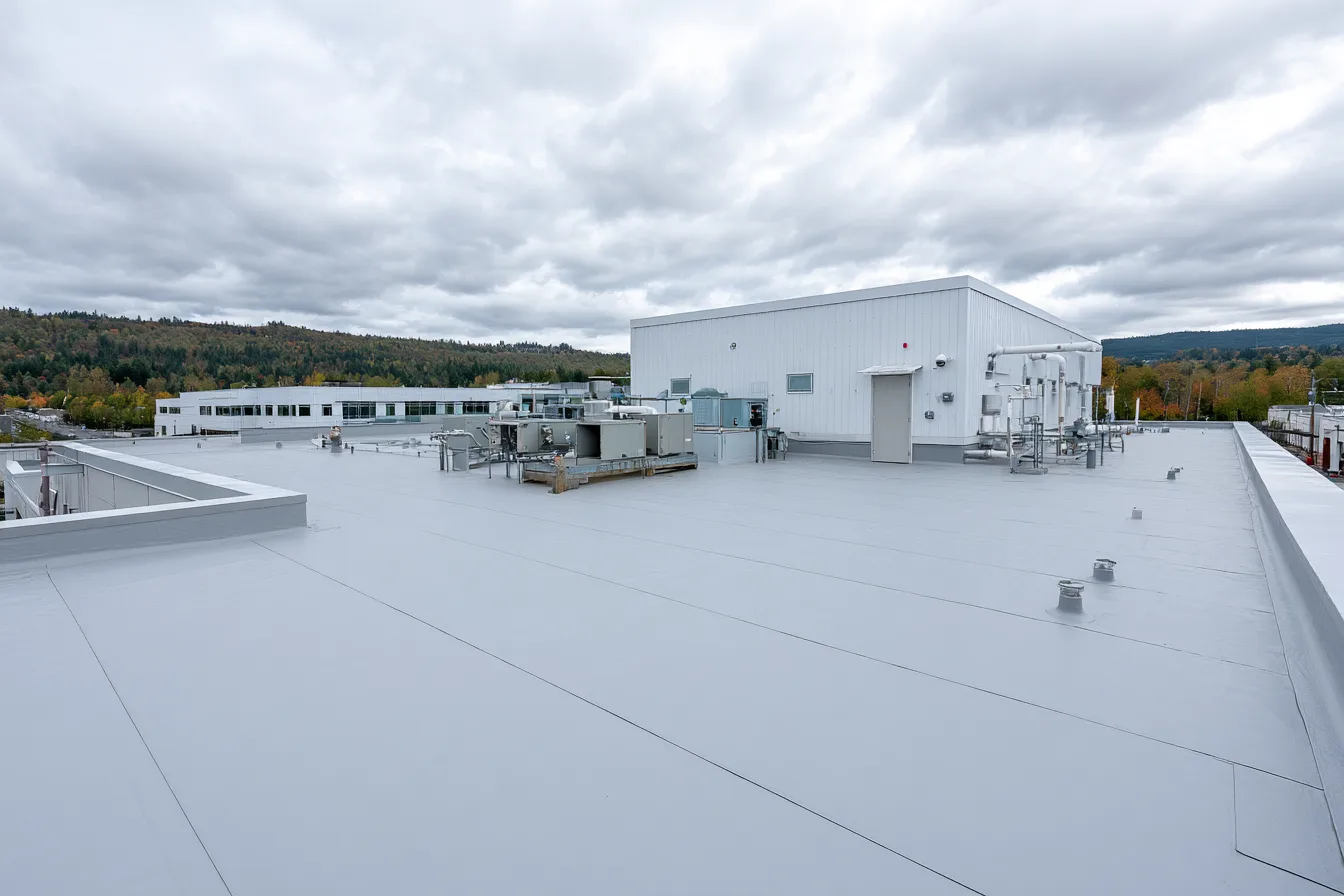
Address leaks at seams, drains and roof penetrations on White Settlement commercial buildings. A useful flat-roof repair starts with the water path and the layers below.
Low-slope roofs are built to drain, even when they look flat. Water moves across the membrane toward outlets, meeting seams, curbs and edge details along the way. A leak can involve one failed connection or several layers of a roof assembly.
The repair needs to match the actual material. A product that adheres to one membrane can be unsuitable for another, and an old patch can make the next repair harder to prepare. The inspection should account for previous repairs and where the new work will bond.
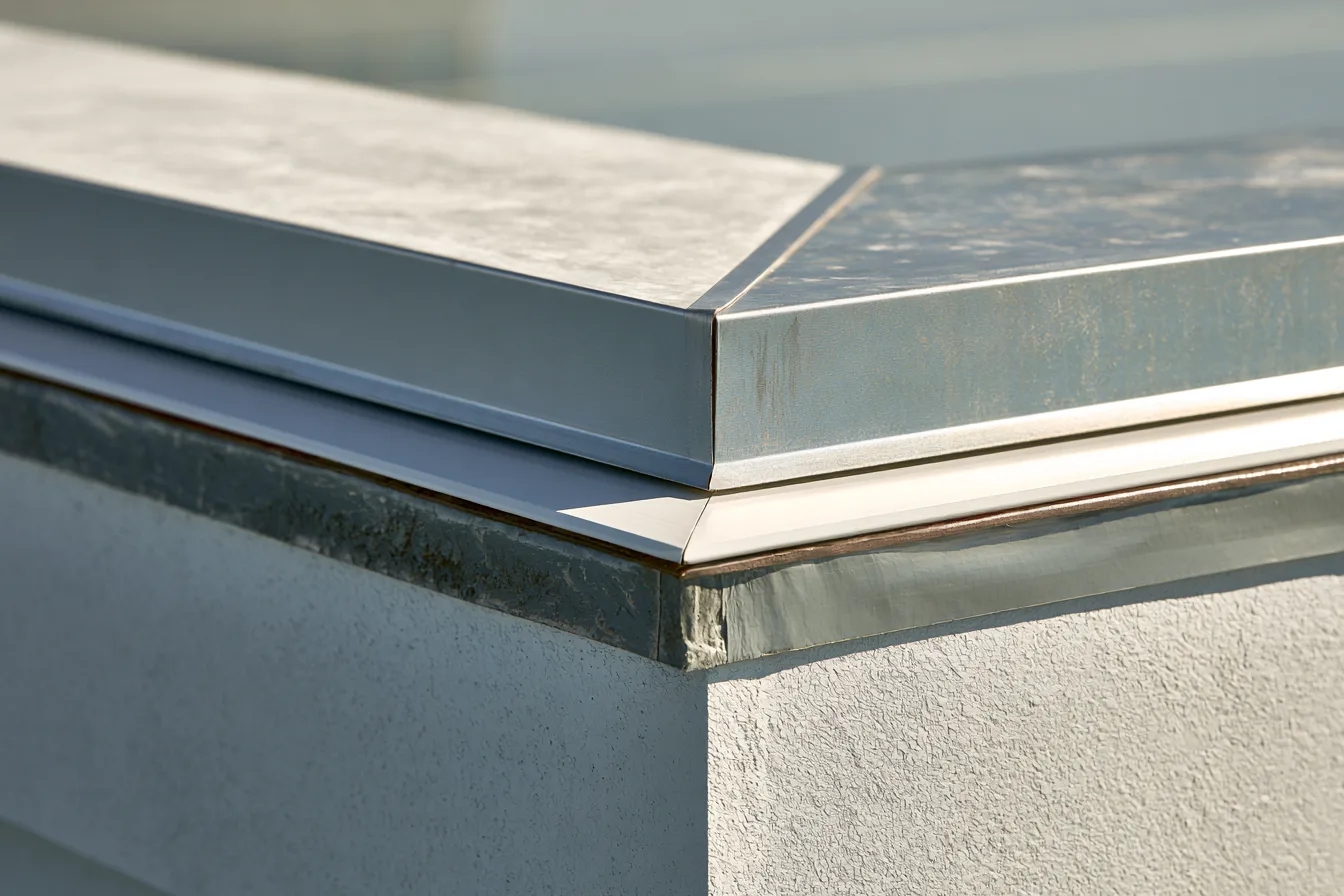
A puncture or seam defect over sound, dry surrounding construction can suit a focused repair with compatible materials.
Moisture under the membrane can require opening and replacing affected layers. Sealing the surface alone leaves that moisture in place.
Widespread aging, repeated failed patches or a deteriorated deck can shift the project toward replacement. A larger scope should follow findings, not the fact that the roof is low-slope.
A patch needs to join sound material around the opening. The existing membrane must first be identified, including any older coating or patch that affects adhesion or welding. Applying a new layer over loose, dirty or unsuitable material leaves the repair dependent on the weak layer underneath.
The repair price depends on the access, preparation and layers involved, not simply the size of the ceiling stain. If the roof needs a broader plan, the commercial roofing overview explains the next options.
The repair area needs the cleaning and preparation required by the existing system. A welded thermoplastic repair and a bonded repair on a different membrane use different materials and methods.
If moisture has spread below the opening, a surface patch alone is incomplete. The scope needs to identify affected insulation or other layers and how they will be removed or repaired before the membrane is closed.
The completed work has to connect to curbs, drains or edges without leaving the next opening beside the patch. The repair area is defined by sound surrounding construction, not just the visible puncture.
When the assembly needs more than a repair, compare TPO roofing options for the replacement discussion.
| Drainage concern | What it changes |
|---|---|
| Blocked drainage | Debris at an outlet can keep water on the roof. Clearing the blockage and repairing a membrane opening are separate parts of solving the problem. |
| A low spot or inadequate slope | If the roof holds water because of its geometry, a patch does not change the slope. Drain locations, tapered insulation or other designed changes may belong in the larger plan. |
| Interior and exterior clues | A ceiling leak after wind-driven rain can point to a different path from a leak beside a backed-up drain. Both the timing and the roof condition help direct investigation. |
A repair should stay intact after the next visit to a rooftop unit.
A repaired roof can be damaged again by an unrelated equipment visit. Access routes, walk pads where appropriate and care around curbs help keep service traffic away from vulnerable details. Mechanical changes that disturb roof flashing need coordinated roofing work.
Drains and scuppers also need a continuing path for runoff. Debris removal does not repair a split seam, and patching a split seam does not remove an obstruction. Treating both the drainage condition and the membrane defect is how the plan addresses the whole leak problem.
Yes, if the defect and affected layers are limited and the repair can tie into sound compatible material. The inspection establishes those limits.
Standing water is a drainage concern that needs assessment, but it does not by itself establish the condition of every layer. Duration, depth, roof design and system requirements matter.
A damaged drain connection needs an appropriate repair. A coating system does not replace a sound drain detail or correct blocked drainage.
A recurring leak deserves more than another patch in the same spot. Request help tracing the water through the roof system.