Reasons restoration may fit
The roof is structurally sound, the existing material is compatible, moisture concerns can be resolved and the preparation and repairs remain a sensible scope.
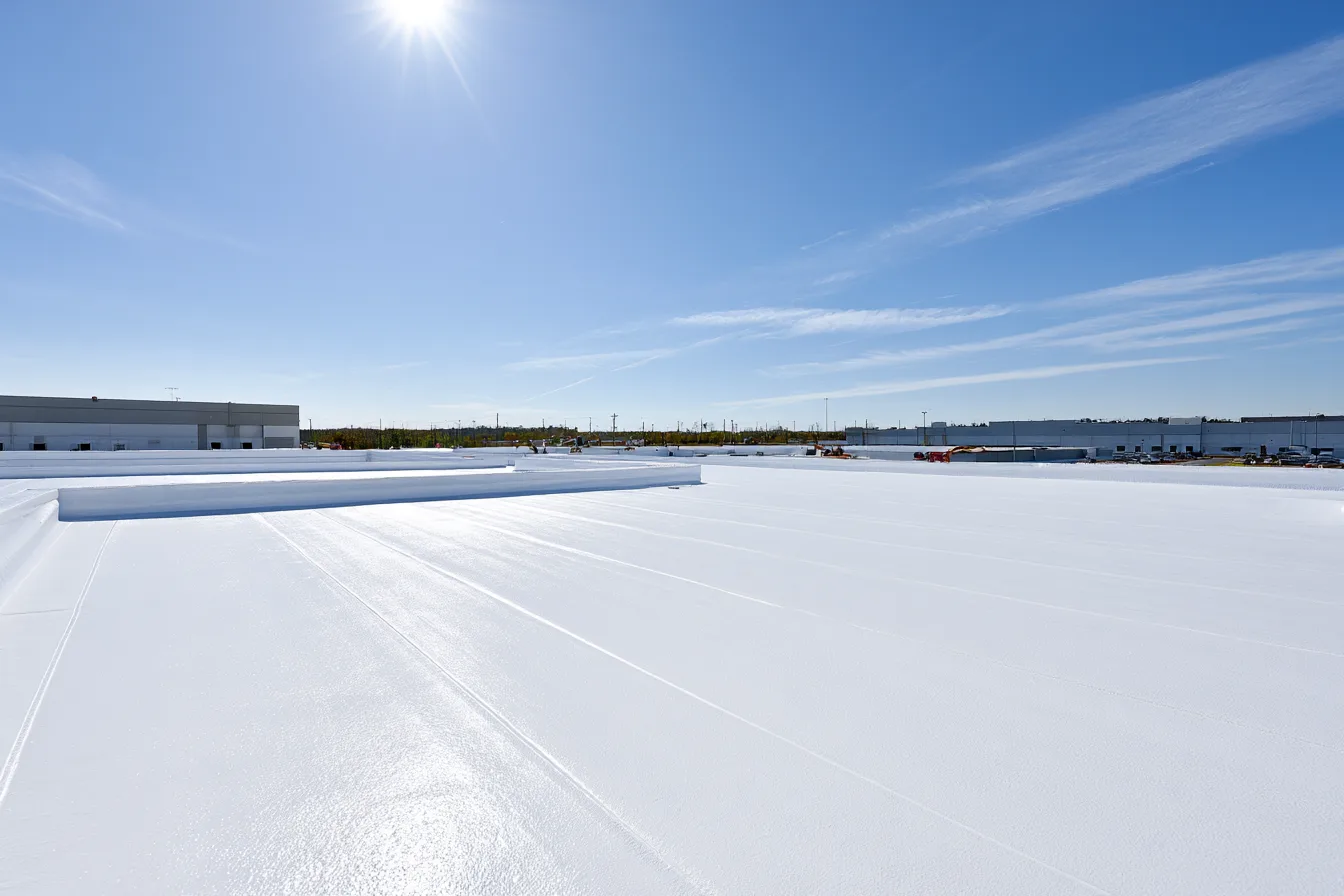
A commercial roof coating can be a useful restoration option when the existing roof supports it. Find out whether your White Settlement building is a suitable candidate.
A coating forms a new protective surface over an existing roof. Its value depends on preparation, compatibility and the condition of what stays below it. Fresh coating does not make wet insulation dry or give a weak deck its strength back.
Before restoration is chosen, the project needs to account for moisture, adhesion, seams, penetrations and drainage. Areas that cannot support the system need repair or removal first. Sometimes those conditions make replacement the better use of the budget.
The roof is structurally sound, the existing material is compatible, moisture concerns can be resolved and the preparation and repairs remain a sensible scope.
Extensive wet insulation, unstable surfaces, incompatible previous products, failing decking or drainage that cannot be corrected within the project undermine a coating proposal.
| Selection or condition | Why it changes the restoration plan |
|---|---|
| Existing membrane or coating | The proposed product must be suitable for the substrate and previous treatments. Preparation and adhesion testing help establish whether the new system can bond; an attractive white surface does not identify what is underneath. |
| Acrylic or silicone system | These are different coating families with different application and water-exposure requirements. Persistent standing water is particularly relevant to acrylic selection. A silicone product can have different tolerances, but choosing it does not correct the roof’s slope or drain arrangement. |
| Wet or unstable areas | Unsuitable material has to be addressed before restoration. If the wet or deteriorated area is extensive, the repair and preparation cost can change whether coating is a sensible use of the budget. |
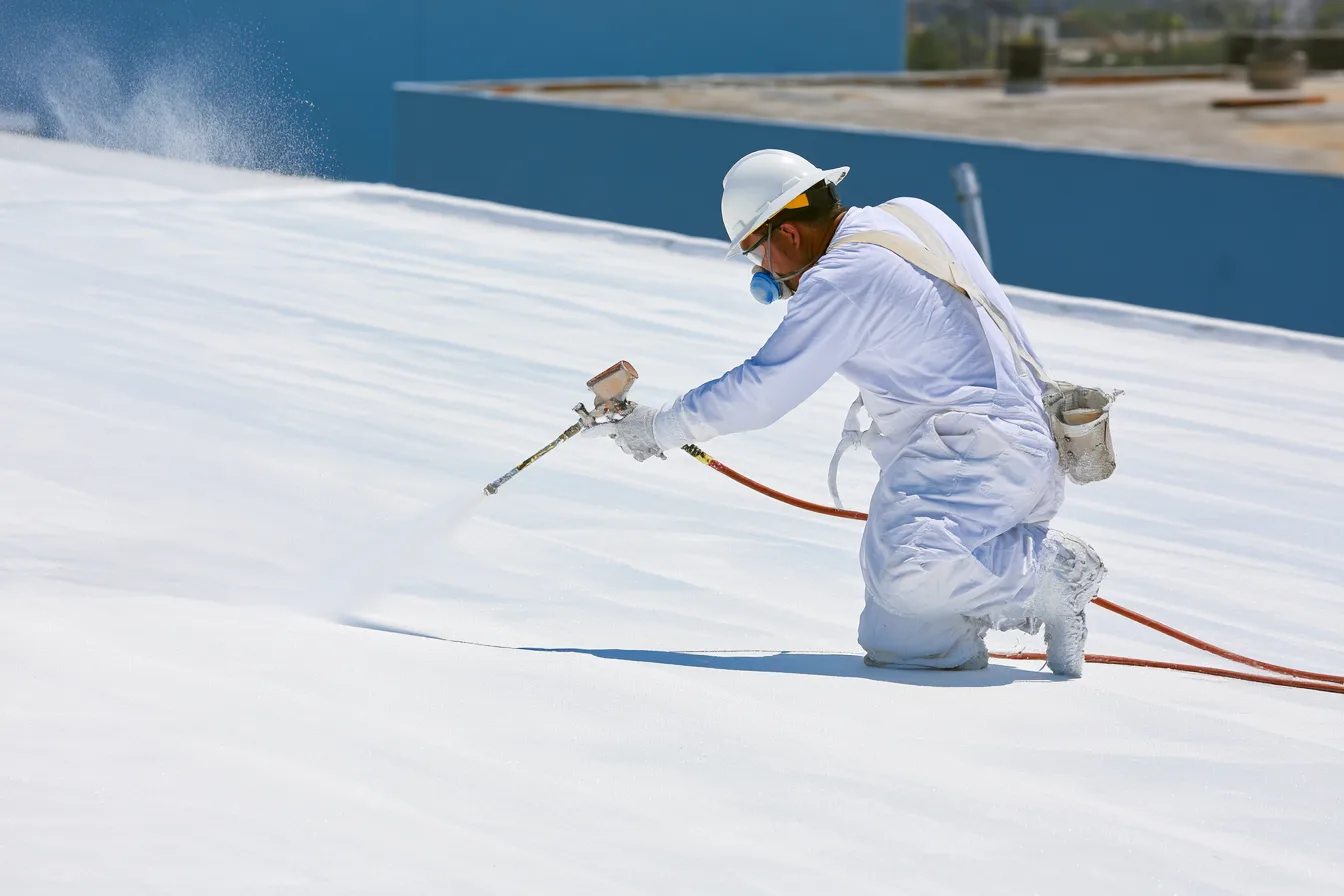
Identify the roof material and previous treatments, investigate moisture and confirm whether the planned coating can bond to the prepared surface.
Address defects and drainage, remove unsuitable material, clean the surface and complete the system-specific preparation.
Coverage, reinforcement at details and application conditions follow the selected product's requirements. Those specifics belong in the proposal rather than a generic promise of a new roof.
The roof has to be prepared and dry enough for the selected system, and the forecast needs to allow its required application and curing conditions. Temperature, moisture and time between layers are product-specific. A rushed coat applied over unsuitable conditions can undermine the preparation that came before it.
Coverage and finished thickness also matter. A proposal should identify the selected system, required detail reinforcement and how the coating is applied to the specified coverage. The cost of cleaning, repairs, primer and detail work belongs with the coating itself when comparing the total.
After restoration, drains still need attention and equipment traffic can still damage the surface. Repair materials and any future recoat need to be compatible with the system already installed. Restoration can preserve a suitable roof, but it does not turn that roof into a maintenance-free assembly.
It can when the roof is a suitable restoration candidate and the selected system is prepared and applied correctly. The existing condition and product terms determine the result.
Reflective surfaces can change roof-surface heat absorption, but building insulation, HVAC, climate and use affect energy savings. No specific bill reduction is promised.
No. Restoration retains much of the existing assembly. Replacement can remove deteriorated layers and change the assembly more extensively. The right choice follows the condition below the surface.
Find out whether your existing roof can support a worthwhile restoration project.