Inside the house
Keep clear of a bulging ceiling, wet lights or other electrical hazards. Move valuables only from a safe area and keep a record of what you can observe without entering danger.
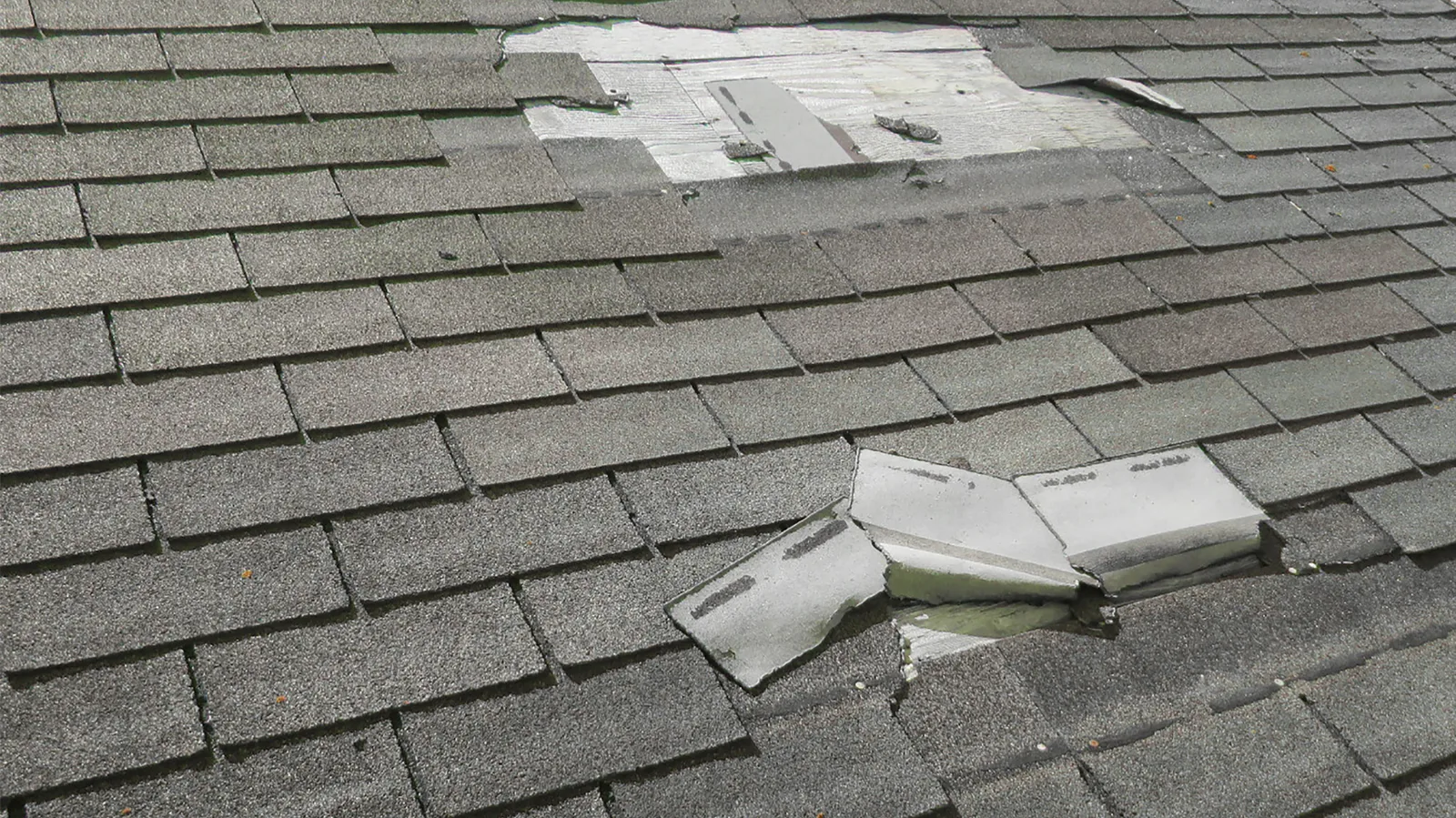
Missing shingles, impact marks or a new leak after bad weather deserve a closer look. Request a free storm-damage roof inspection in White Settlement.
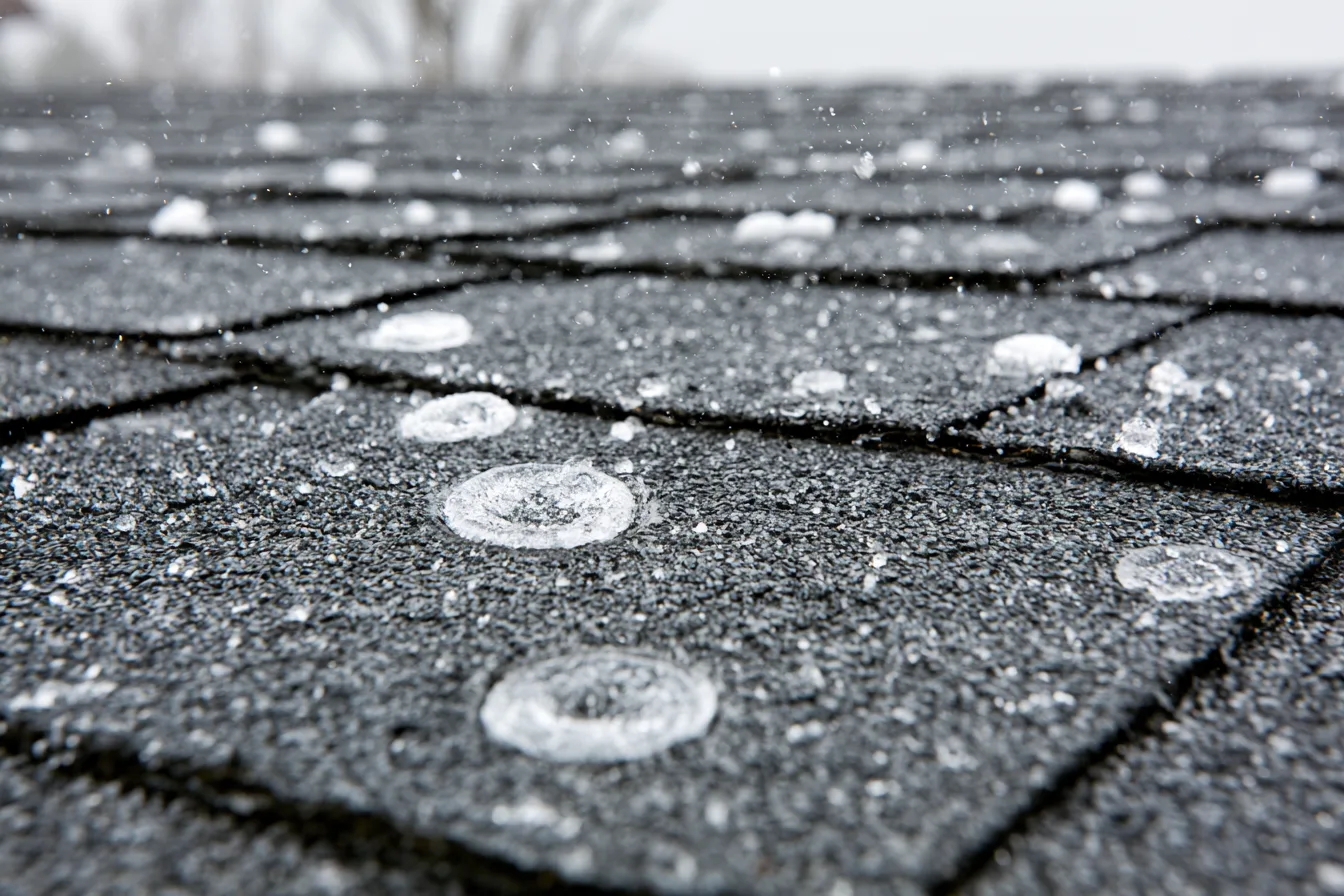
Wind can lift shingle edges, break seals and leave creases where a tab bends. Hail can bruise or fracture a shingle and dislodge its protective granules. Those are different damage patterns, and neither is established by a nearby weather report alone.
The roof inspection needs to distinguish storm damage from ordinary wear and check how far it extends. A damaged slope, an exposed edge and a roof with scattered impacts do not automatically call for the same scope.
Keep clear of a bulging ceiling, wet lights or other electrical hazards. Move valuables only from a safe area and keep a record of what you can observe without entering danger.
Do not walk on a wet or damaged roof. Temporary weather protection needs safe access and a plan that does not create more openings. Tell us if water is still entering when you request help.
| Finding | How it changes the roofing work |
|---|---|
| A few displaced shingles | The opening needs attention, along with the layers it exposed. Local replacement depends on whether the adjoining shingles remain usable and can be lifted and secured without extending the damage. |
| Damage through a slope | Scattered impacts or lifted courses need to be assessed together. If workable tie-ins are scarce or damaged material extends across the slope, a larger repair or replacement comparison becomes more useful than isolated patches. |
| Flashing, caps or roof-edge damage | Wind can disturb the connections that keep water moving over the roof. Replacing field shingles alone leaves those openings unresolved. The scope should include the affected ridge, wall, vent or edge detail as well as the covering. |
Read about the difference between insurance and roofing warranties when you are working out how a project might be paid for.
A roof inspection explains the roofing problem. It does not guarantee a claim or determine your coverage.
Deductibles, roof coverage and depreciation affect the amount an insurer pays. Old age or ordinary wear alone does not qualify a roof for replacement under a storm claim.
The work has to address the actual damage and sound tie-ins. A claim estimate and a contractor proposal can describe different items that need explanation before work starts.
Temporary covering can help protect an exposed area, but it is not the final repair. Once access is safe, the permanent work needs to address damaged material and reconnect the roof’s water-shedding details. Covering an opening while leaving a failed connection underneath is a pause in the problem, not a completed scope.
Removal can reveal wet or deteriorated wood that was not visible at the first visit. A useful proposal explains how additional necessary work will be discussed and authorized. Material upgrades and interior finish repairs should be identified separately so they do not disappear into one unexplained total.
The amount paid by insurance is a separate question from what the roof needs. Deductibles, depreciation and coverage terms affect your share; the insurance payment guide explains those distinctions without assuming a claim will be approved.
Yes, if you have noticed missing shingles or other possible damage. Water entering the home is only one sign; the covering can be damaged before the interior shows it.
That depends on the covered cause, damage, policy and deductible. No inspection or roofing request can promise an insurer's decision.
Yes, when damage is limited and the repair can connect to sound material. The roof repair explanation shows why the surrounding roof condition matters.
Tell us what happened and what you have noticed since. The roof itself is the place to start.